

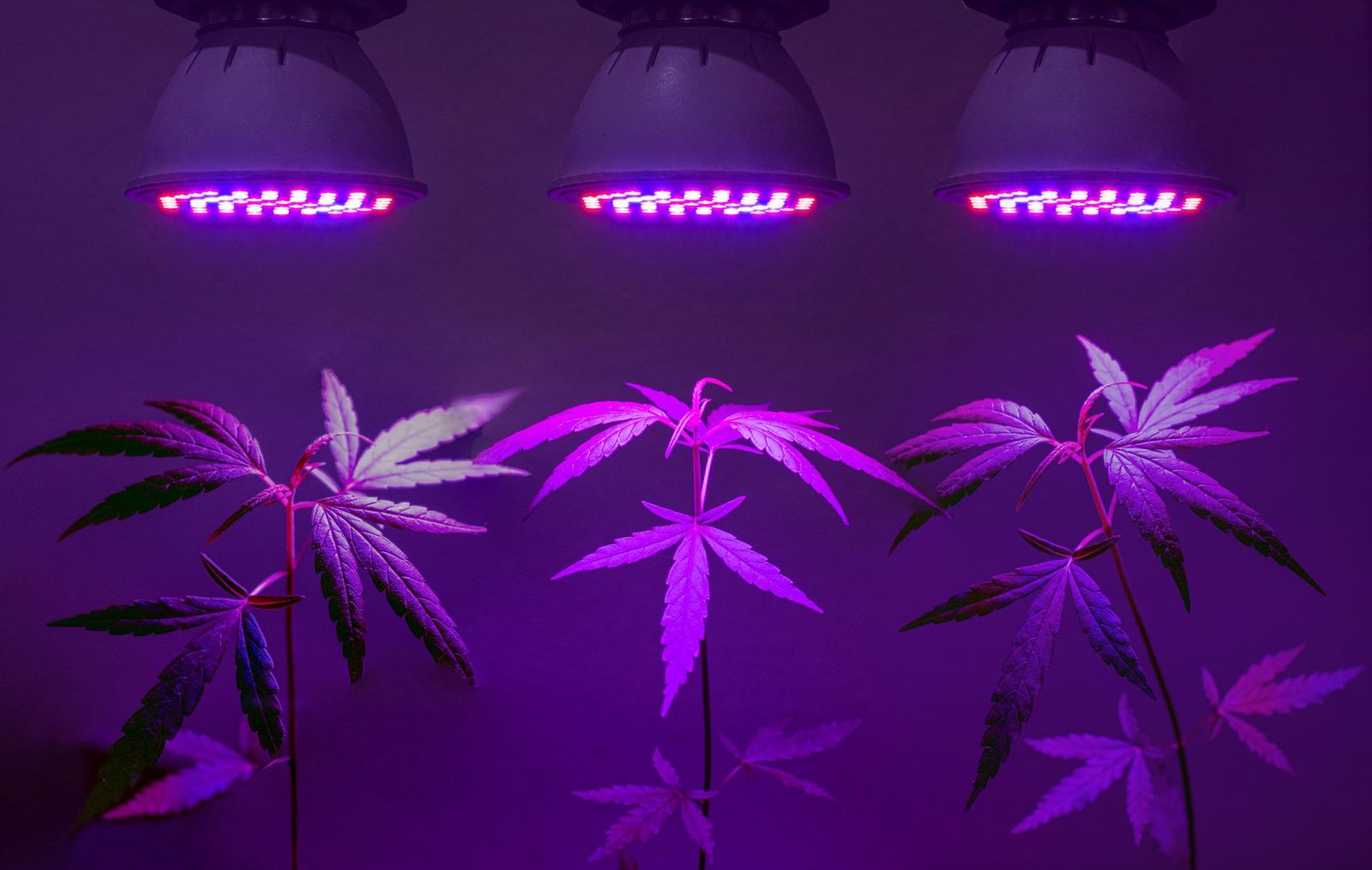
Colored cannabis is one of the many options customers have at a dispensary. It can be difficult to look at some of these bright hued strains and believe they’re natural. To achieve these colors, growers utilize a combination of genetic cross-breeding and varying environments to grow strains of cannabis in a plethora of striking colors.
What Gives Cannabis Its Color?
The main reasons for color in cannabis are genetic building blocks called anthocyanins. Anthocyanins are a subset of chemicals called flavonoids, which occur naturally in almost all fruits and vegetables. Anthocyanins provide purple, red, and blue pigments, and are found in other richly colored plants like blueberries, eggplants, and grapes.
Since cannabis is a leafy plant, it contains a natural amount of anthocyanin. Over time, growers have cultivated special strands by cross-breeding certain cannabis plants that possessed higher levels of anthocyanins.
How Does Cannabis Get Its Color?
Like most plants, cannabis contains chlorophyll, the green chemical that lets it absorb sunlight for energy. That means all cannabis strains, even ones with increased levels of anthocyanins, will be green for most of their lifetime. The key to activating the anthocyanins and bringing out the different colors is environmental factors controlled by the grower.
There are two main steps to this process. First, the grower will drop the temperature of the environment that the plants are in. This simulates an autumn environment where chlorophyll production pauses as the days become cooler. Stopping the chlorophyll may be enough to let the anthocyanins show through on their own, resulting in purple, red, and blue hues.
If that isn’t enough to bring out the color, or if the grower wants to make the hue more striking, they can introduce a change in the pH level of the air around the plants, making it either more acidic or more basic. Acidic environments induce bright, vibrant reds and pinks, while basic conditions result in yellows.
Is Colored Cannabis More Potent?
There is a misconception that certain colors indicate stronger cannabis. However, the color of the cannabis does not necessarily mean it is stronger, or of a higher quality, than a different strain. In fact, some growers have determined that purple-blossomed cannabis plants may actually produce less THC.
There is one thing that sets colored cannabis apart. The activation of the anthocyanins in the colorizing process can actually increase the amount of antioxidants in the plant. As a result, you may find that the strains provide greater anti-inflammatory and pain reducing properties.
Colorful cannabis is, for the most part, just for aesthetics. Despite this, the process of creating them involves fascinating science, and results in many striking plants. There are a wide variety of colorful strains popping up on dispensary shelves that you can try for yourself. Contact us for more information about colorful cannabis today.
Emerald Health Advocates
Phone: (240) 477-8158
Url: https://emeraldhealthadvocates.com/
Laytonsville, MD 20882


